What to Look for When Buying an Educational STEM Kit
Choosing the right STEM kit can turn curiosity into sustained learning. Whether you’re buying for a classroom, a curious child, or an adult hobbyist, the right kit should match goals, skill level, and the environment where it will be used.
Below are clear, practical criteria to evaluate kits, plus examples of kit types and what to look for in each. Use this guide to compare options and make a confident purchase on trusted marketplaces like StemParade.
1. Define learning goals first
Start by asking what you want the kit to accomplish: inspire interest, teach a specific skill (coding, circuitry, microscopy), or prepare for a STEM course. A kit meant to spark interest can be simpler and more visual, while a kit intended to teach programming needs clear, sequential lessons and debugging support.
If the goal is electronics and embedded systems, look specifically for kits labeled as coding or microcontroller-focused so they include sensors, actuators, and code examples.
2. Match the kit to the learner’s age and skill level
Kits should indicate recommended ages and prerequisite skills. A kit too advanced will frustrate a beginner; one that’s too simple will bore an advanced learner. For example, kits designed for middle-schoolers often focus on tangible builds and guided lessons, while high-school or adult kits introduce abstract concepts and real-world tools.
When evaluating complexity and required guidance, check product descriptions for skill-level markers and sample projects to ensure they align with your learner’s background.
3. Consider hands-on vs. coding-heavy kits
Decide whether you want a tactile build experience (gears, structures, mechanical experiments) or a coding-focused kit that teaches programming, electronics, and IoT concepts. Many learners benefit from combined approaches that let them build hardware and then program it.
For projects centered on sensors, motors, and microcontrollers, examine dedicated collections like Microcontroller Starter Kits to ensure included boards, shields, and tutorials match your objectives.
4. Platform and expandability: boards, single-board computers, and compatibility
If a kit uses a specific platform, check whether that platform is widely supported and expandable. Kits built around standard microcontrollers or single-board computers allow learners to grow beyond included projects. For example, kits that work with popular platforms like Raspberry Pi often provide a clear upgrade path into more advanced computing and maker projects.
Browse offerings such as Raspberry Pi Starter Kits when you want a full computing environment, multimedia projects, or networking capabilities included from the start.
5. Quality of components and safety
Inspect photos and lists for durable materials, clear labeling, and safety features. For electronics, look for insulated wires, sturdy connectors, and secure battery compartments. For mechanical kits, check that small parts are well-made and that moving parts are shielded where necessary.
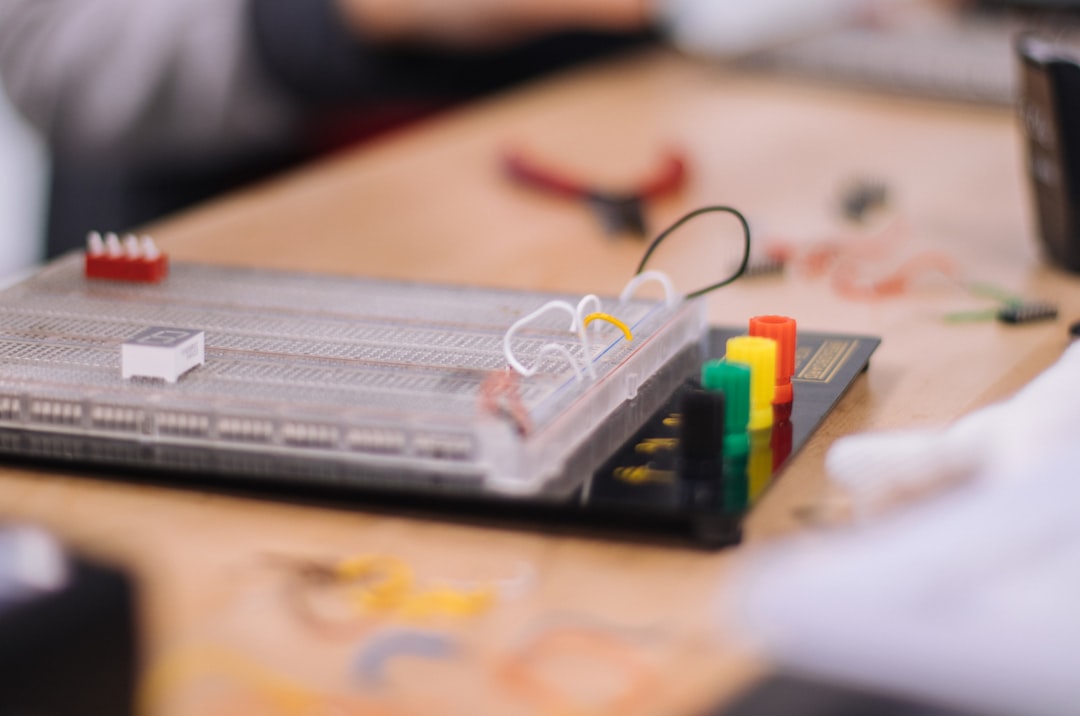
When a kit includes prototyping gear, a reliable breadboard and jumper wires make debugging and modification easier. For projects requiring circuit building, accessories like the BOJACK solderless breadboard kit can be a useful complement for classroom bench work or at-home tinkering.
6. Clear instructions and learning resources
Good kits provide step-by-step guides, project goals, and troubleshooting tips. Prefer kits with printable manuals, online tutorials, and example code. Video walkthroughs and community forums are particularly valuable for visual learners and those who will work without in-person instruction.
For more advanced learners, look for kits that include learning modules or link to structured courses—this helps convert a one-off project into a sequence of meaningful lessons.
7. Subject-specific considerations (science, math, astronomy)
Science-focused kits should include measurement tools, repeatable experiments, and reference material. For budding biologists or labs, student-grade optics and prepared slides are essential—consider kits centered on microscopy that are designed for classroom use.
If your interest is astronomy, choose kits that teach scales, orbital mechanics, or observational skills rather than novelty toys. For hands-on space learning, curated collections such as Space Exploration Kits and more focused astronomy kits can provide age-appropriate models and experiments. For microscopes and lab work, explore categories like Student Microscopes to ensure optical quality and classroom durability.
8. Math and manipulatives for conceptual learning
For foundational numeracy and geometry, physical manipulatives help learners internalize abstract concepts. Kits that include measurement tools, geometry sets, or fraction manipulatives are excellent for reinforcing classroom topics with tactile practice.
If the goal is geometric reasoning or hands-on math practice, check categories such as Geometry Learning Sets to find durable, curriculum-aligned tools that pair well with STEM projects requiring measurement and spatial thinking.
9. Longevity, resale value, and cross-age appeal
Choose kits with components that support multiple projects and age ranges to maximize value. Modular systems, common hardware standards, and upgrade paths (extra sensors, expansion boards, advanced kits) keep a kit relevant as skills improve.
For adult learners or hobbyists seeking deeper projects, consider categories aimed at older audiences like Adult Science Experiment Kits which often contain higher-precision parts and complex experiments suited for continued learning.
Quick checklist before you buy
- Learning goal identified (conceptual, skill-based, exploratory).
- Age and skill level match kit recommendation.
- Clear, well-reviewed instructions and tutorial support.
- Durable components and safety features for intended users.
- Expandability: compatible with common boards and accessories.
- Includes or pairs with necessary extras (batteries, breadboards, slides).
- Reasonable price for projected lifespan and learning outcomes.
FAQ
- How do I choose between a coding kit and a mechanical kit?
Consider whether you want to prioritize programming logic and electronics (coding kit) or physical principles and building skills (mechanical). Many learners benefit from kits that mix both. - Are kits worth buying for a classroom?
Yes—kits designed for education typically include reproducible experiments, safety features, and teacher guides. Look for classroom-sized kits or those with clear grouping instructions. - What should I look for in a microscope kit?
Optical quality, magnification range, sturdy stage and focus controls, and included slides or a digital output option. Student-grade microscopes balance durability and clarity for repeated classroom use. - Can I expand a starter kit later?
The best kits use standard platforms and connectors so you can add sensors, actuators, and modules later. Check platform compatibility and available expansion packs before buying. - Is it better to buy a branded kit or assemble parts yourself?
Branded kits provide curated projects and cohesive instructions—ideal for beginners or classrooms. Assembling individual parts works well for advanced tinkerers who want full customization.
Conclusion — a practical takeaway
Buy with purpose: pick a kit that matches learning goals, age, and long-term growth. Prioritize clear instructions, quality parts, and expandability to ensure the kit remains useful as skills develop. Use the checklist above to compare options and choose a kit that turns curiosity into consistent, hands-on learning.
Products Featured in This Article
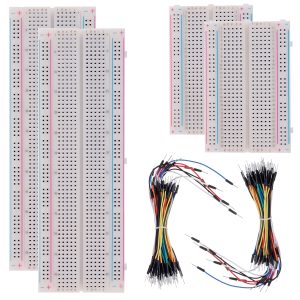
BOJACK 3 Values 130 Pcs Solderless …
BOJACK high quality Solderless Breadboard Assortment KitFeatures:The breadboard and jumper wires kit is ideal for setting…