STEM Learning for Adults: Where to Start as a Beginner
Starting STEM as an adult is practical, rewarding, and entirely achievable with the right plan. Whether you want a career pivot, a hobby with deep learning, or to build tangible skills for projects at home, a clear starting path makes all the difference.
This guide gives a step-by-step approach: how to pick a focus, the first tools and kits to buy, learning strategies that fit busy schedules, and a checklist to get you moving this week.
1. Clarify your goal and practical constraints
Begin by answering two quick questions: what outcome do you want (job, hobby, prototype) and how much weekly time can you commit? Goals shape which branch of STEM is best. If you want product-building or electronics, hands-on kits are ideal; if you want analysis or modeling, prioritize math and computing.
Set a small, measurable first milestone: build a simple circuit, run a Raspberry Pi project, or complete a single lab experiment. That milestone keeps learning focused and avoids paralysis by choice.
2. Start with electronics and embedded systems
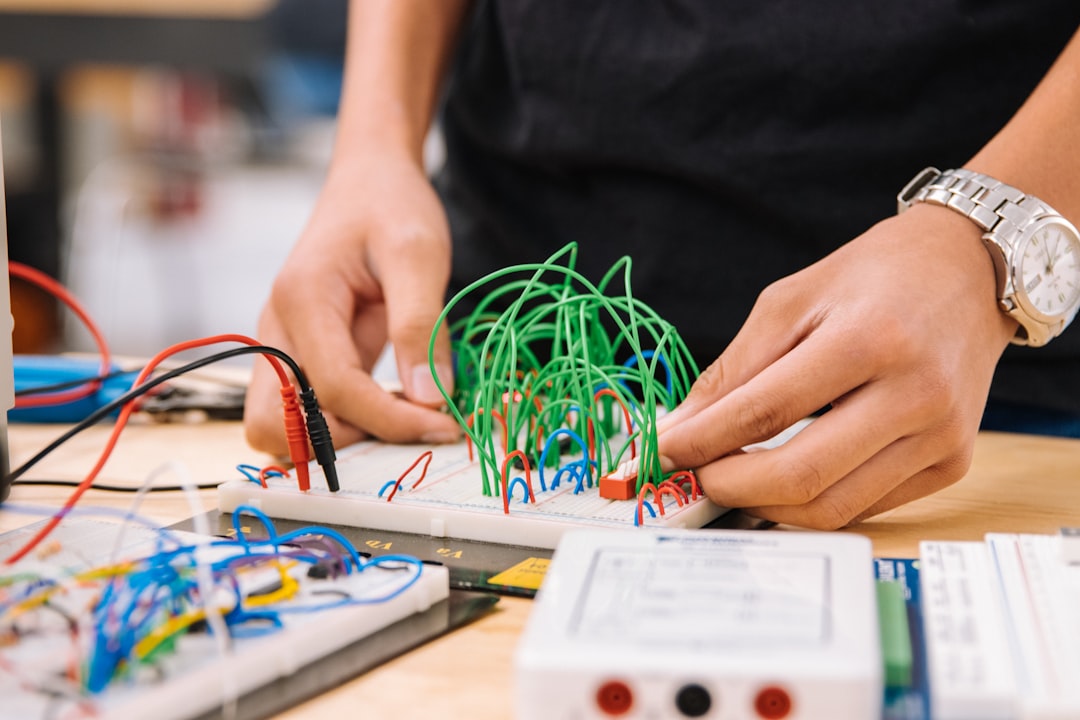
Electronics teaches systems thinking, debugging, and physical computing. For absolute beginners, guided starter kits bundle components and tutorials so you learn by doing. A good first step is a curated kit that includes sensors, a breadboard, and step-by-step projects like blinking LEDs, reading sensors, and simple control loops. Consider looking at Microcontroller Starter Kits as a practical way to get components and tutorials together.
3. Learn computing and Linux with single-board computers
Single-board computers bridge software and hardware, and they are forgiving platforms for learning networking, scripting, and system configuration. A Raspberry Pi starter kit provides the OS image, peripherals, and project guides to practice programming, maker projects, and basic electronics integration. If you want a low-friction environment to experiment with Python, GPIO, and small servers, explore Raspberry Pi Starter Kits.
4. Build core engineering instincts with hands-on kits
Engineering kits teach design, iteration, and mechanics without needing formal classes. Working through mechanisms, structural builds, and system layouts trains you to decompose problems and prototype solutions. For adult-focused projects that emphasize real mechanical principles and guided learning, check out Adult Engineering Kits.
5. Use robotics to integrate software, electronics, and mechanics
Robotics projects compress multiple STEM disciplines into single, rewarding tasks: sensing, control, motion, and logic. Even simple mobile robots teach PID concepts, feedback, and sensor fusion. If your interest leans toward automation, consider a beginner-friendly robotics kit that has modular parts and code examples. A good starting category is Adult Robotics Kits, which combine hardware and software lessons for adult learners.
6. Get comfortable with observation: microscopes and lab tools
If your curiosity lies in biology, materials, or hands-on experiments, start by learning observational techniques. Digital microscopes make it simple to capture images and study samples from home. They also introduce you to basic microscopy workflow and measurement methods useful for experiments and hobby research. A practical first purchase is a reliable Digital Microscopes that’s easy to connect to a computer or screen.
7. Solidify the math and data tools you’ll actually use
Math is a toolbox rather than abstract theory: algebra for formulas, statistics for data, and a little calculus or linear algebra depending on your domain. For day-to-day problem solving—graphs, curve fits, and quick calculations—a good graphing calculator and practice with spreadsheets or a scripting language are enough to start. Consider pairing learning resources with a physical tool like Graphing Calculators for on-the-go practice and understanding plots and functions.
8. Choose guided experiments to practice the scientific method
Structured experiment kits are valuable for adults because they reduce setup friction and come with clear protocols. These kits let you run repeatable experiments, record observations, and iterate—core scientific skills that transfer to engineering and data work. Look for adult-focused kits that emphasize safety, realistic results, and learning outcomes; a recommended category is Adult Science Experiment Kits.
9. Invest in a reliable starter board or project kit
When picking a first hardware kit, prioritize community support, documentation, and spare parts. One widely used beginner board that pairs well with tutorials and breadboarding is the ELEGOO UNO starter kit—it includes sensors, modules, and step-by-step guides so you can finish small projects quickly and learn relevant concepts like serial debugging and circuit layout. A solid example is the ELEGOO UNO R3 Project Super Starter Kit.
Checklist: First 30 days
- Decide your primary goal (career, hobby, research) and set a 30-day milestone.
- Buy one hands-on starter kit: microcontroller or Raspberry Pi depending on goals.
- Schedule three 60–90 minute sessions per week for focused practice.
- Complete one guided project end-to-end (assemble, run, debug, document).
- Log failures and fixes in a simple notebook or digital doc—this is your learning record.
FAQ
-
How much time should I expect to commit weekly?
Start with 3–5 hours spread across two or three sessions. Short, consistent practice beats long infrequent marathons. -
Do I need a background in math or science?
No—basic arithmetic and curiosity are enough to start. Build math skills alongside projects; applied problems make math easier to learn. -
What if I get stuck on a project?
Break the system into smaller parts and test each one. Use forums, documentation, and the kit’s tutorials. Reproducing a minimal working example often reveals the issue. -
Which should I buy first: a microcontroller kit or a Raspberry Pi?
If you want to learn embedded control and electronics, start with a microcontroller kit. If you prefer software, networking, or running services, start with a Raspberry Pi. -
Are adult kits different from kids’ STEM kits?
Adult kits typically include more realistic components, advanced experiments, and assume less hand-holding. They often cover professional concepts at an accessible pace.
Conclusion — practical next step
Pick one clear goal, buy one starter kit aligned to that goal, and schedule short, consistent sessions. Complete one project fully—build, debug, and document it. That sequence delivers momentum, confidence, and the foundational skills to expand into deeper STEM work.
Products Featured in This Article
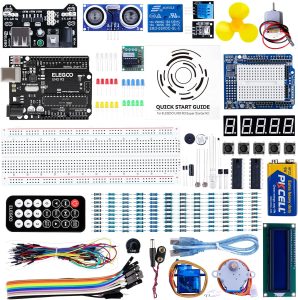
ELEGOO UNO R3 Project Super Starter…
From the brand ELEGOO STEM kits provide all the necessary components, sensors, wires, and boards for…